
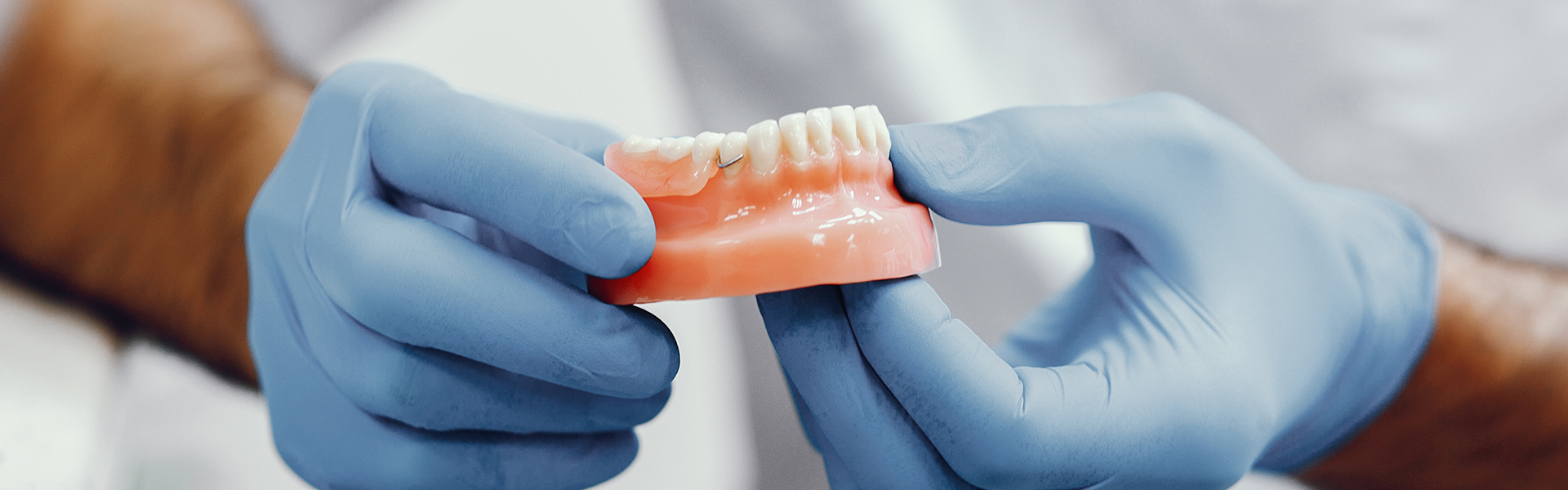
Missing teeth can affect both comfort and daily function. Chewing may feel uneven, and speech may change slightly over time. Understanding replacement options helps patients make informed decisions about restoring their smile. A general dentist in Fort Myers may recommend dental bridges to replace missing teeth and support normal bite function.
A dentist focuses on restoring balance in the mouth while preserving natural tooth structure whenever possible. Dental bridges are often used when one or more teeth are missing in the same area. With careful planning and modern techniques, bridges can help restore both appearance and function.
Living with gaps in your smile
When a tooth is missing, the neighboring teeth may begin to shift or move into the open space. This can affect alignment and place uneven pressure on certain teeth during chewing.
Common challenges include:
- Difficulty chewing certain foods
- Changes in how words are pronounced
- Extra stress on the surrounding teeth
- Gradual shifting of nearby teeth
Replacing missing teeth helps maintain alignment and supports daily comfort.
Understanding how bridges replace missing teeth
A dental bridge takes the space created by one or more missing teeth. It uses surrounding teeth for support and holds an artificial tooth in place.
A bridge typically includes:
- Artificial teeth that fill the gap
- Supporting crowns placed on adjacent teeth
Patients considering dental bridges in Fort Myers often find that bridges provide a stable way to restore their smile without surgery.
Different bridge options for different needs
Dentists may recommend different types of bridges depending on the condition of the surrounding teeth.
Common options include:
- Traditional bridges are supported by crowns on both sides
- Cantilever bridges when only one supporting tooth is available
- Implant-supported bridges anchored by implants
Each option is selected based on oral health, tooth position, and long-term stability.
Improving bite strength and chewing comfort
When teeth are missing, chewing can become uneven. This may lead to discomfort or increased wear on certain teeth.
Dental bridges help:
- Balance biting pressure across the teeth
- Improve chewing efficiency
- Reduce strain on remaining teeth
Restoring bite balance can make everyday activities like eating more comfortable.
Supporting facial shape and natural appearance
Teeth play a role in supporting facial structure. Missing teeth may lead to subtle changes in facial appearance over time.
Dental bridges help maintain:
- Natural facial contours
- Proper spacing between teeth
- A more balanced smile
Restoring missing teeth supports both function and overall appearance.
What to expect during the treatment process
Getting a dental bridge typically involves multiple steps to ensure proper fit and function.
The process may include:
- Preparing the supporting teeth
- Taking impressions for a custom restoration
- Placing a temporary bridge
- Securing the final bridge once it is ready
Patients often search for a dentist near me to schedule an evaluation and discuss whether this option fits their needs.
Considering other replacement options
Dental bridges are one of several ways to replace missing teeth. Another option includes dental implants in Fort Myers, which replace both the tooth and its root.
Bridges may be considered when:
- Adjacent teeth can provide support
- A non-surgical option is preferred
- Tooth replacement is needed without an extended healing time
In some situations, tooth extraction in Fort Myers may be necessary before placing a bridge if a damaged tooth cannot be preserved.
A dentist can help compare these options and recommend the most appropriate solution.
Caring for your dental bridge
Maintaining a dental bridge requires consistent oral hygiene. Proper care helps protect the supporting teeth and surrounding gums.
Helpful habits include:
- Brushing twice daily
- Flossing carefully around and under the bridge
- Using recommended dental cleaning tools
- Attending regular dental checkups
Good maintenance helps support long-term function.
Preventing future tooth loss
Replacing missing teeth is important, but preventing future dental issues is equally essential.
Preventive care may include:
- Routine dental exams and cleanings
- Early treatment of cavities
- Monitoring gum health
- Avoiding habits that damage teeth
Patients visiting a dentist in 33912 often focus on preventive care to upkeep long-term oral health.
A patient-centered approach to restorative care
Modern dental care focuses on patient comfort, clear communication, and individualized treatment planning. Dentists aim to explain options clearly and recommend treatments based on each patient’s needs.
Patients often value:
- Personalized treatment recommendations
- A comfortable and supportive environment
- Modern diagnostic tools for accurate planning
- A focus on salvaging natural teeth whenever possible
These aspects support a more informed and comfortable dental experience.
Conclusion
Dental bridges offer a good way to restore missing teeth and improve daily function. By filling gaps, they help maintain alignment, support chewing, and contribute to overall oral health.
Patients who explore treatment options early are more likely to maintain long-term comfort and function. The team at Freedom Dental provides comprehensive, patient-focused care using modern techniques to support both oral health and smile restoration.
Frequently Asked Questions
A dentist evaluates your oral health, the condition of nearby teeth, and your overall needs to determine if a bridge is appropriate.
Dental bridges are a viable solution for taking the place of multiple missing teeth, provided that there are healthy adjacent teeth available to support the bridge. This option helps restore both functionality and aesthetics for individuals with gaps in their smile.
Some patients may notice minor changes at first, but speech typically returns to normal after a short adjustment period.
Typically, patients can expect to adjust to a new dental restoration within a few days to a couple of weeks, as their mouths become accustomed to the changes.
If a bridge feels loose, it should be evaluated by a dentist promptly to prevent damage to supporting teeth.