
Introduction
Missing teeth influence both appearance and overall oral function. They alter chewing efficiency, speech clarity, and overall oral health. For patients exploring solutions like dental bridges in Atlanta, a common concern is whether this treatment can fully restore both function and aesthetics.
Dental bridges replace the gap left by missing teeth, restoring balance within the mouth. By anchoring to nearby teeth or implants, they stabilize surrounding teeth and improve bite function. Knowing how bridges function and what results to expect can help patients choose the right restorative option and feel more confident about their treatment decisions.
What Are Dental Bridges and How Do They Work?
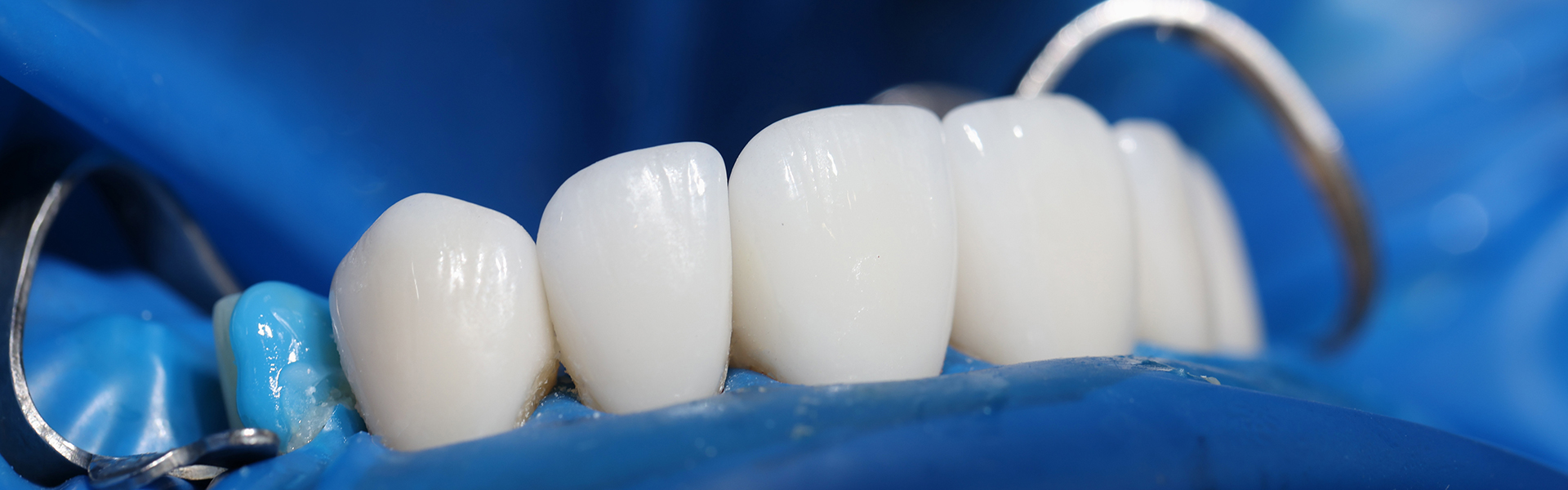
A dental bridge is a fixed solution utilized to replace one or more missing teeth by connecting artificial teeth to neighboring natural teeth or implants. The structure consists of a pontic (replacement tooth) and abutments (supporting teeth or implants).
Bridges restore continuity within the dental arch, preventing surrounding teeth from moving into the vacant space. This preserves proper alignment and lowers the likelihood of bite imbalance.
Patients often compare bridges with other treatments, including dental implants in Atlanta, to determine which option best fits their needs, lifestyle, and oral health condition. Each option offers different advantages, and selecting the right one depends on long-term goals and structural considerations.
How Dental Bridges Improve Your Smile
A key benefit of dental bridges is the improvement in appearance. Missing teeth often result in visible gaps that affect confidence and facial balance.
Dental bridges are crafted to match the size, shape, and color of surrounding teeth. This enables them to blend naturally into your smile. Once placed, they reestablish a complete smile, making it easier to speak, smile, and interact confidently in social and professional settings.
In addition to aesthetics, bridges also support facial structure. When teeth are missing for an extended period, surrounding tissues can shift, subtly affecting facial contours and symmetry. Restoring missing teeth helps maintain a more balanced facial profile.
How Dental Bridges Restore Function
Beyond appearance, dental bridges serve an important role in restoring everyday function. Missing teeth often make chewing more difficult, which can lead to dietary limitations and uneven pressure on remaining teeth.
By filling the gap, bridges distribute bite forces more evenly across the teeth. This leads to improved chewing efficiency and reduces strain on remaining teeth. Speech clarity often improves, especially when missing teeth affect the pronunciation of certain sounds.
Over time, restoring function helps maintain oral stability and reduces the likelihood of additional dental concerns such as excessive wear or shifting teeth. This contributes to better long-term oral health outcomes.
Types of Dental Bridges Available
Several types of dental bridges are available depending on the place of the missing tooth and the condition of the surrounding teeth.
Traditional Bridges:
These are the most common type and rely on crowns placed over adjacent teeth for support.
Cantilever Bridges:
Used when only one adjacent tooth is available for support.
Implant-Supported Bridges:
These bridges are anchored using dental implants instead of natural teeth, offering enhanced stability and durability.
Selecting the right type is based on individual factors, including bone support, tooth condition, and long-term goals. A detailed evaluation by a dentist in Atlanta identifies the most appropriate option and ensures that the treatment aligns with both functional and aesthetic needs.
The Dental Bridge Procedure
The process of getting a dental bridge follows a series of steps to achieve proper fit and function.
- Initial Consultation
- Your dentist evaluates oral health, discusses treatment goals, and determines if a bridge is suitable.
- Tooth Preparation
- Adjacent teeth are prepared to nicely support the bridge, which may involve reshaping them for crowns.
- Impressions and Temporary Bridge
- Impressions are taken to make a custom bridge. A temporary restoration is placed to safeguard the area while the final bridge is fabricated.
- Final Placement
- The permanent bridge is fitted and properly adjusted to achieve comfort, alignment, and proper bite.
Patients searching for a dentist near me often benefit from selecting a provider who focuses on precision and long-term stability during restorative procedures, ensuring the bridge fits comfortably and functions properly.
How Long Do Dental Bridges Last?
The life of a dental bridge varies based on oral hygiene, material quality, and daily habits. On average, bridges can last between 10 to 15 years, and sometimes longer with proper care.
Maintaining a bridge involves:
- Brushing and flossing regularly
- Cleaning under the bridge using special floss tools
- Attending routine dental checkups
Avoiding habits, for example, teeth grinding or biting hard objects, also contributes to extending the lifespan of the restoration. Consistent care plays a key role in preserving both function and appearance over time.
Dental Bridges vs Other Treatment Options
Dental bridges represent one of several options for replacing missing teeth. While bridges provide a fixed and relatively quick solution, other treatments may be recommended depending on the case.
For example, dental implants provide a standalone solution that does not rely on adjacent teeth. However, implants require sufficient bone support and a longer treatment timeline.
Clear aligners, such as Invisalign in Atlanta, may be part of a broader treatment plan when alignment correction is needed alongside restorative care.
Selecting the right approach is influenced by individual clinical needs and long-term goals. A well-planned treatment approach ensures both functional stability and aesthetic improvement.
Who Is a Good Candidate for Dental Bridges?
Dental bridges are appropriate for patients who:
- Have one or multiple missing teeth
- Have healthy neighboring teeth or implants for support
- Maintain good oral hygiene
- Do not have untreated gum disease
A comprehensive dental evaluation clarifies whether a bridge is the best solution or if another treatment would provide better results. This step is essential for achieving predictable and long-lasting outcomes.
Conclusion: Are Dental Bridges the Right Choice?
Dental bridges offer a dependable solution for restoring both the appearance and function of your smile. By replacing missing teeth, they support alignment, improve chewing ability, and maintain long-term oral health.
At 3640 Dental, treatment recommendations are based on detailed evaluation and personalized care planning. Whether you need a bridge or another restorative option, the focus remains on achieving stable, functional, and natural-looking results that support overall dental health and long-term comfort.